Home is more than an address. For a child, it can be a familiar morning routine, a favorite blanket, the same classroom, or knowing which grown-up will be there at the end of the day.
When a family loses stable housing, children may face changes they cannot control. Some stay in shelters or temporary housing. Others stay with relatives, move from place to place, or sleep in a vehicle. Every family’s circumstances are different, and children deserve kindness without judgment.
Whether you are a parent, teacher, caregiver, CASA volunteer, or caring adult, small, respectful acts can help a child feel seen. Here are seven ways to offer steadiness when home is changing.
1. Keep one small routine predictable
A familiar goodnight phrase, a library visit, a favorite song, or five quiet minutes together can provide continuity when the rest of the day feels uncertain. Ask what routine matters most to the child rather than assuming.
2. Protect meaningful belongings
A blanket, photograph, notebook, stuffed animal, or small collection may carry a great deal of comfort. Make room for the child to choose what stays close. Avoid treating their belongings as disposable or unimportant.
3. Speak honestly, without making promises you cannot keep
Children notice uncertainty. Try simple, age-appropriate language such as, “I don’t know exactly what happens next, but I will tell you what I learn.” Reassurance is strongest when it is truthful and paired with consistent care.
4. Respect privacy and dignity
A child should not have to explain their family’s housing situation to classmates, neighbors, or other adults. Let the child decide what they want to share when possible. Offer practical support discreetly and avoid language that makes a family feel ashamed.
5. Help school remain a place of belonging
A trusted teacher, counselor, or school social worker may help a child stay connected to learning and friendships. In the United States, children experiencing homelessness may qualify for school supports under the McKinney-Vento Act, including enrollment assistance and certain school-stability protections. Ask the school for its local homeless education liaison if help is needed.
6. Make space for more than one feeling
A child might love a parent deeply and still feel angry about the situation. They might enjoy a moment of laughter and still feel worried about the night ahead. Listen without requiring a cheerful answer. Try, “You can tell me how it really feels, and you don’t have to talk right now.”
7. Offer help in ways that preserve choice
Instead of asking a child to explain everything they need, offer a few concrete options: “Would a snack, quiet space, or time to draw help right now?” A child may not be ready to accept help immediately. Keep the invitation open, respectful, and pressure-free.
The small things matter
No single conversation or kind gesture can solve housing insecurity. Practical resources, safe housing, and coordinated support matter. But a trusted adult who listens, protects dignity, and follows through can make difficult days a little less lonely.
Children need more than reminders to be brave. They need opportunities to be children, to ask questions, to keep treasured things, and to know their feelings belong.
Meet Daisy and Gordon
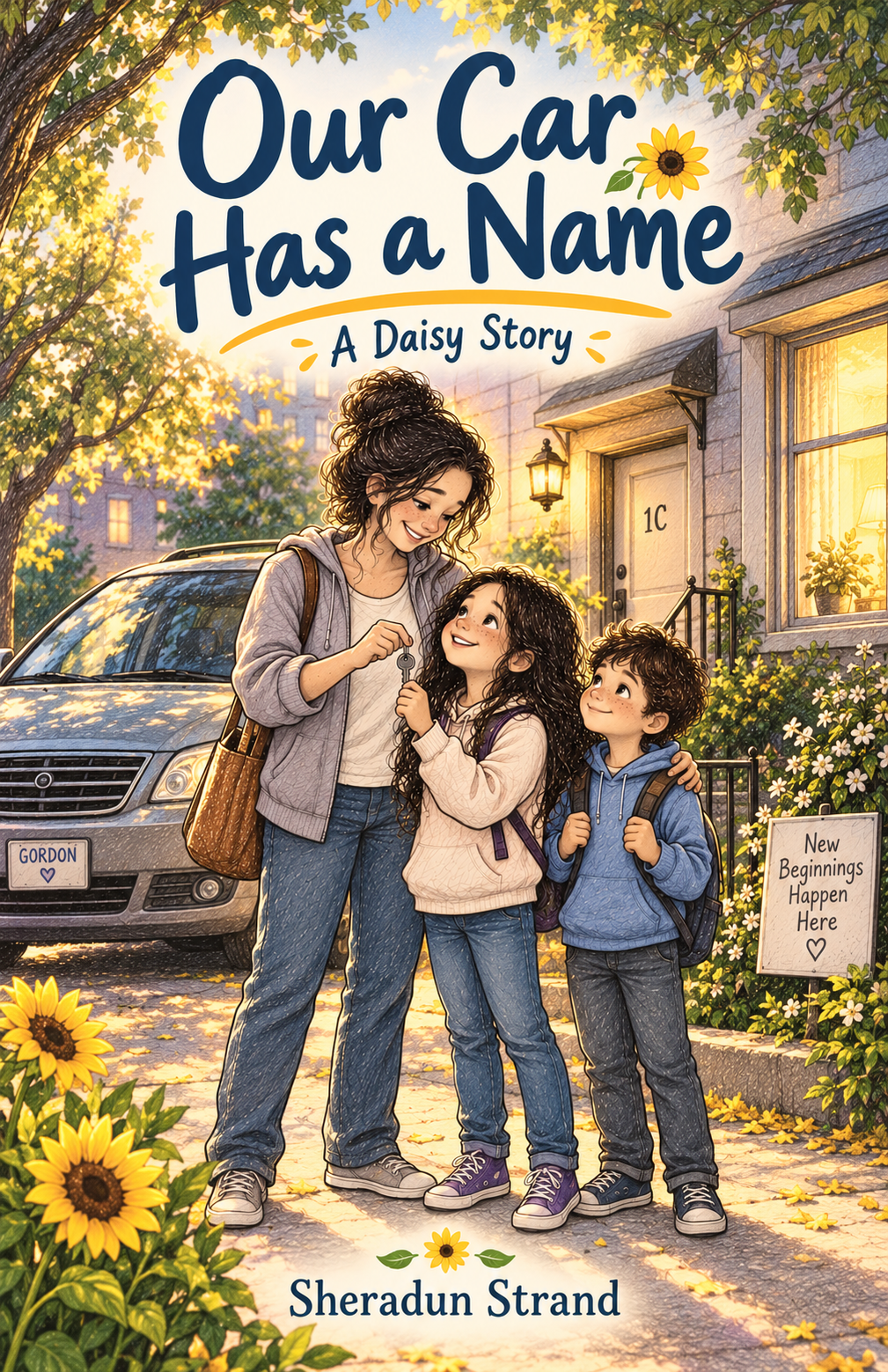
In Our Car Has a Name — A Daisy Story, eight-year-old Daisy, her little brother Milo, and their mom navigate an unexpected chapter of life in their van, Gordon. Daisy’s story explores uncertainty, family love, friendship, and the courage it can take to accept help.
This early chapter book offers families, educators, and caring adults a gentle starting point for conversations about housing insecurity, belonging, and dignity.
Kindle Countdown Deal · October 26–November 1, 2026
For a limited time, the Kindle edition is scheduled to be $2.99 (regularly $4.99). The offer is available through Amazon.com during the promotion period. Please check the live price on Amazon before purchasing.
Find the book: Our Car Has a Name on Amazon (paperback) · Kindle edition
Free companion resource: Finding Steady Things — Daisy Free Guide
Helpful resources
- National Center for Homeless Education — McKinney-Vento overview
- National Center for Homeless Education — Enrollment guidance
- National Child Traumatic Stress Network — Supportive environments
With care,
Sheradun Strand
Steady Heart Studio
Stories for growing hearts. Tools for steadier days.